
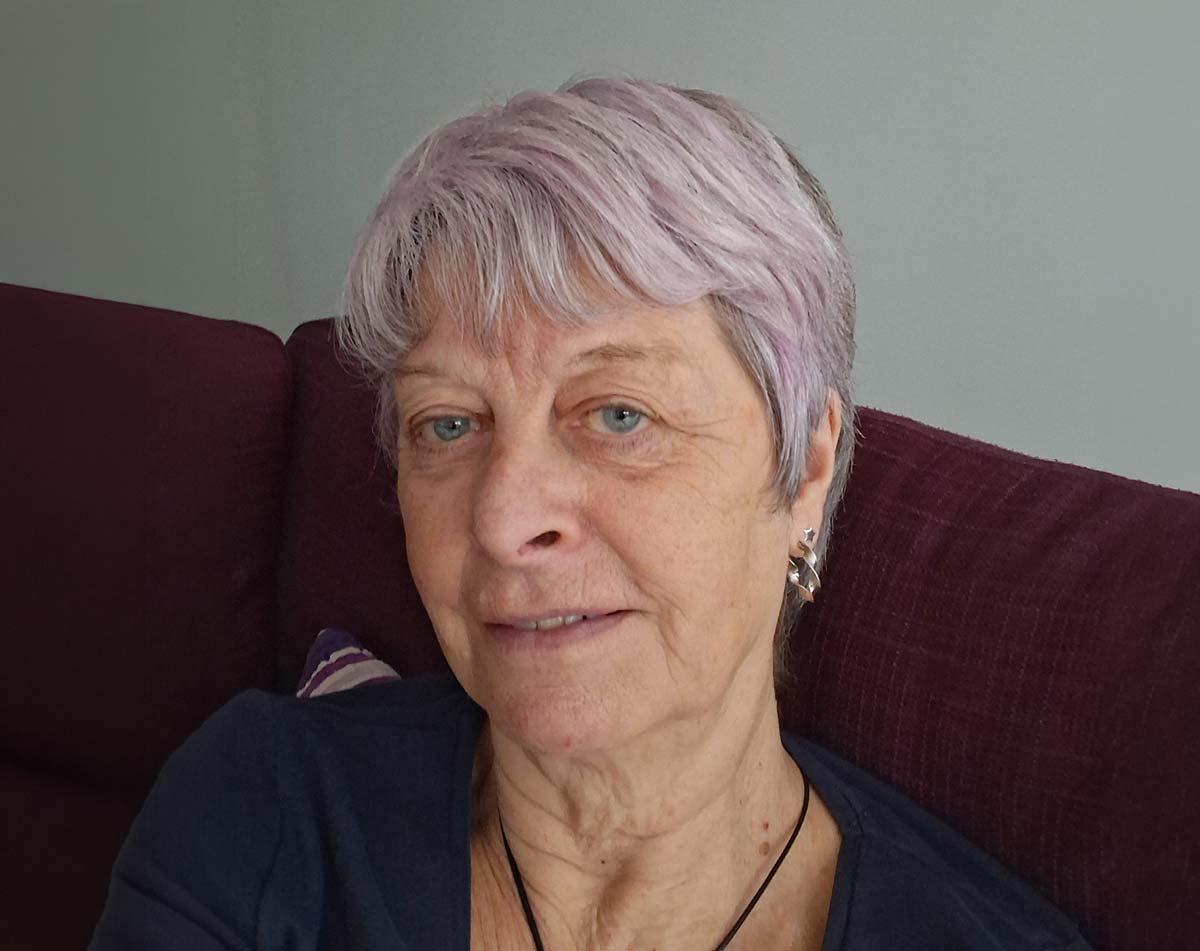


The shock of diagnosis
Lynne has always been fit and healthy, but when a viral infection took an age to go, she sought advice from her GP. Cancer never even crossed her mind, but blood tests led to a consultation with a haematologist and the words Waldenstrom’s macroglobulinaemia.
It took her completely off guard.
“Looking back, I probably had quite a few symptoms, although I didn’t realise it at the time,” she explains. “Now, when I read about Waldenstrom’s, I recognise things like headaches and the other symptoms it can cause.
Like many people diagnosed with WM, Lynne was placed on active monitoring. At first, life carried on much as before, but over the following 18 months her paraprotein levels continued to rise and eventually treatment became necessary.
Facing treatment
When her consultant recommended chemotherapy, it came as another shock.
“Before all this, chemotherapy was just something I’d heard frightening stories about. When you’re not involved in that world, that’s all you really know.”
Lynne was treated with bendamustine and rituximab (BR) – a common chemo-immunotherapy given to those with WM and LPL.
The treatment worked well, and more than eight years later her paraprotein remains low.
But it wasn’t an easy ride.
“The sickness is still what sticks in my mind all these years later,” she says. “By about the third cycle it really hit me, and I felt sick almost constantly for the rest of the treatment.”
Looking back, there’s one thing she wishes she’d known.
“I didn’t realise I could ask for different anti-sickness medication. I thought you were given the tablets and that was it. I wish I’d known I could speak up and push for something else if they weren’t working.”
I thought I’d just go back to my old life.
No silly questions
Adapting to life after chemotherapy has been another challenge. “When chemotherapy ended, I just assumed I’d go back to my old life. I never realised my body needed time to recover. I was always very sporty, but now I can do very little before the fatigue hits me.”
As Lynne is learning to adjust to life post-chemo, she’s doing everything she can to understand more about WM, her treatment and her own body. WMUK is one of the sources she’d drawing from and she encourages other to make sure of every tool available.
“When I was diagnosed, I didn’t know about WMUK. If I’d known about the Support Line then, I definitely would have used it.
“It really helps talking to people who understand what you’re going through,” she says. “It makes you realise you’re not going mad.”
Her advice for anyone about to start treatment is simple.
“Don’t be afraid to speak up. If you’re struggling, ask questions. If something isn’t working, tell someone. Looking back, I think I worried about bothering people or asking silly questions. Now I know there are no silly questions.”