
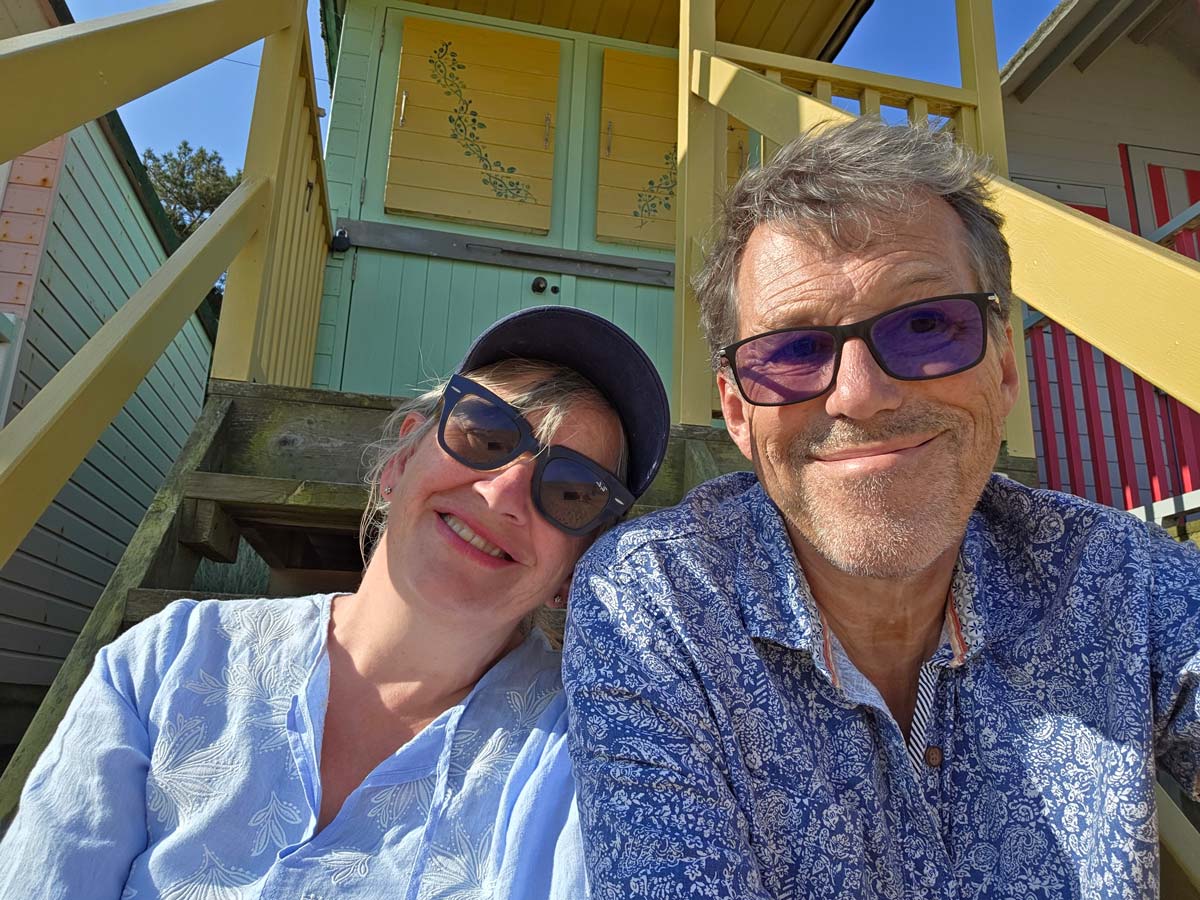


Paul was diagnosed with Waldenstrom’s macroglobulinaemia in 2016. After years six on active monitoring, he’s completed treatment regimens of both DRC and Zanubrutinib and has plenty of experience to share with the community.
Paul’s diagnosis with Waldenstrom’s macroglobulinaemia (WM) came completely by chance.
“I’d had a dull pain in my back for about a year,” he explains. “My wife was being treated for cancer at the time and, through reading about her illness, I’d learnt that persistent back pain could sometimes point to a problem with your kidneys or liver.”
So, he booked an appointment with his GP. Ironically, the back pain turned out to be arthritis and nothing to do with his WM. But the blood tests picked up the Waldenstrom’s, which came as a complete bolt out of the blue at what was already a challenging time for Paul and his family.
However, Paul’s diagnosis in 2016 didn’t require immediate treatment. In fact, it would be six years before his blood levels showed the need for more intervention.
“My bloods gradually deteriorated over time until, eventually, my consultant said it was time to start treatment.”
Choosing treatment
Initially, Paul was hesitant about chemotherapy and even looked into joining a clinical trial.
“I liked the idea of the trial, but there was only a fifty-fifty chance I’d receive the treatment I wanted, and it would have meant travelling to London every time,” he remembers.
After discussing the options with his consultant, Paul chose DRC chemo-immunotherapy, which is a common drug regimen for anyone with WM and LPL.
DRC uses a combination of a steroid (dexamethasone), immunotherapy (rituximab) and chemotherapy (cyclophosphamide) to fight the cancer.
I learnt you have to ask questions
Learning to speak up
While the treatment was ultimately successful, it wasn’t without its challenges. “I reacted to rituximab almost every time,” says Paul.
Eventually, Paul realised those reactions weren’t inevitable. “It wasn’t until my sixth treatment that I persuaded them to slow the infusion rate all the way through. That was the first time I didn’t have a reaction.”
The biggest challenge, however, wasn’t the infusions themselves, it was the side effects. “I struggled with sickness throughout,” he remembers.
Looking back, there’s one piece of advice Paul wishes someone had given him. “I wish they’d told me to start taking laxatives as soon as they prescribed the anti-sickness tablets. The constipation was almost as bad as the sickness.”
Finding the right balance was tough but ultimately, successful, as Paul explains, “My bloods continued improving even after chemotherapy had finished.”
More recently, Paul been treated with zanubrutinib and given intravenous immunoglobulin to help support his immune system.
Life after chemotherapy
As he reflects on nearly ten years living with WM, Paul believes one of the biggest lessons he’s learnt is the importance of asking questions. “If something doesn’t seem right, ask about it,” he says.
Whether it was slowing the rituximab infusion, discussing treatment options or researching clinical trials and side effects, Paul found that being involved in decisions about his care made a real difference.
Paul also discovered that some of the most valuable information came from outside the clinic.
“I’ve found WMUK absolutely invaluable. The hospital tells you about the drugs they’re giving you, but organisations like WMUK help you understand what it’s actually like to live with WM.”
And his advice for others is simple: “Learn as much as you can. Ask questions. Don’t be afraid to speak up. It’s your illness, and understanding it makes living with it much less frightening.”